About
Systems Architect.
AI Practitioner.
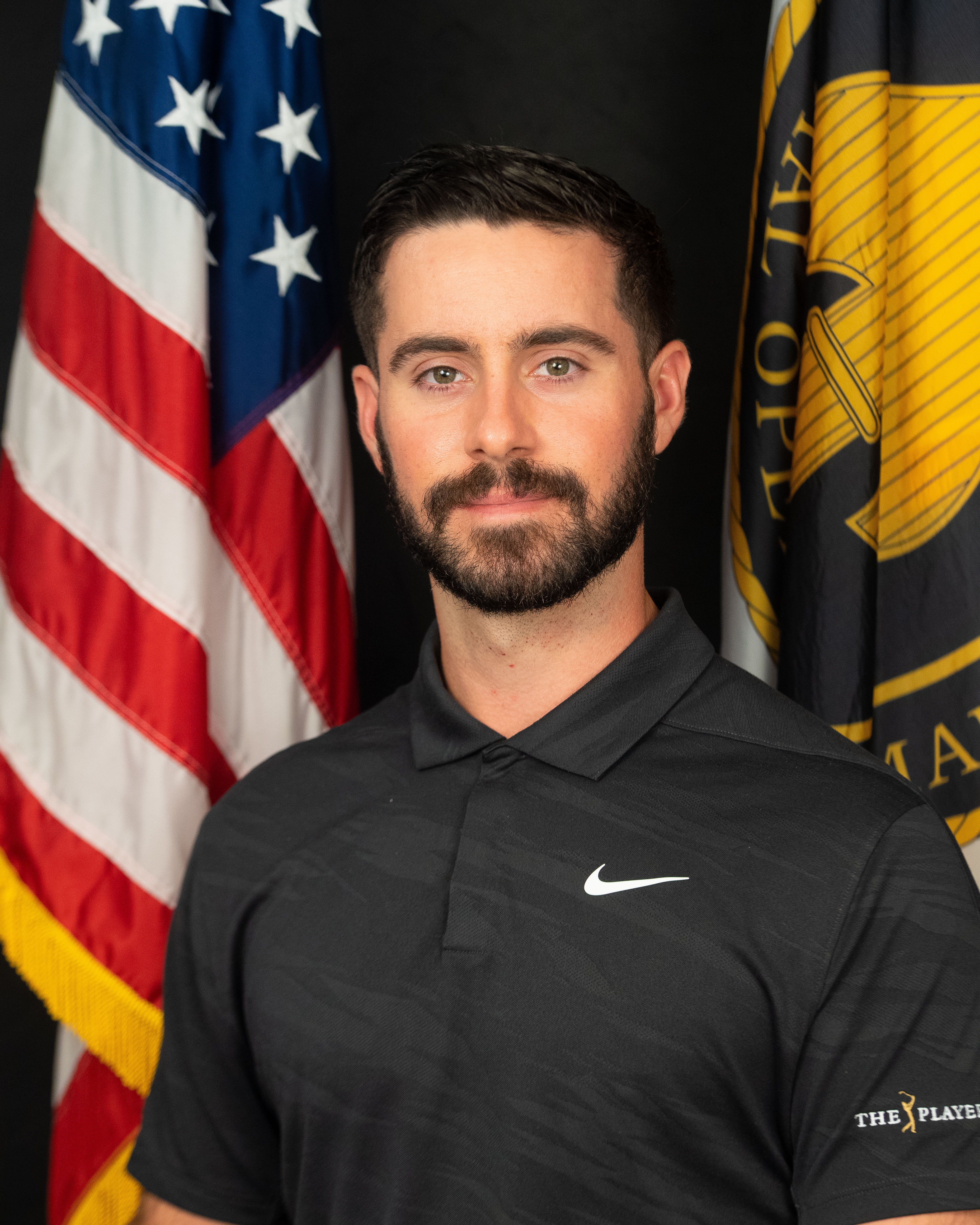
My background spans military operations, enterprise systems architecture, and cybersecurity. That combination shapes how I think about AI and how I build it.
About
My background spans military operations, enterprise systems architecture, and cybersecurity. That combination shapes how I think about AI and how I build it.
I've spent 5+ years as an IT Systems Architect designing and managing enterprise infrastructure. Throughout that time I've supported USSOCOM through Peraton, working on mission-critical network infrastructure for tens of thousands of users across distributed, security-hardened environments. That work was built on 8 years of prior military service, which fundamentally shaped how I approach reliability, accountability, and operating in environments where failure has real consequences.
My technical work spans large-scale network design, cybersecurity architecture, systems integration, and infrastructure across on-premise and cloud environments. I've owned the full stack from physical layer to application. That means I know where enterprise systems break and what it takes to build something that holds.
For the past couple of years I've been obsessed with AI and what it means for the future of enterprise technology. I didn't approach it as an observer. I studied it, built with it, and pushed to understand exactly where my background in systems architecture, cybersecurity, and infrastructure fits into it. PayoffHub.com, a consumer finance product built from scratch. Gosona.ai, an AI voice receptionist deployed for real businesses. An enterprise RAG prototype built to understand where these systems fail when they touch real organizational data. A local LLM environment to work hands-on with fine-tuning, inference, and model control.
That work gave me a clear picture of where I'm headed. Most organizations moving into AI need someone who understands both the model and the systems it runs on. I've spent years on the systems side and the past two years going deep on the AI side. That combination is what I'm bringing to this next chapter.
The most dangerous version of AI adoption inside an enterprise is when someone who understands models but not systems is making the infrastructure decisions. They'll build something impressive in isolation that fails completely when it touches real data, real access controls, and real organizational complexity. I've watched it happen. The model works great in the demo. The deployment is a disaster.
The architecture mindset is what makes AI deployments hold up in production. Who has access to what data? What happens when the model returns something wrong? How does this system fail, and how do we know when it's failing? Those aren't data science questions. They're systems design questions. They're security questions. They're questions that require someone who has spent years thinking about how complex systems behave under pressure. That's the perspective I bring.
What I'm actively working with.
N8N
Automation & Orchestration
Claude
LLM & Generation
OpenAI
Embeddings & APIs
Supabase
Vector DB & Auth
Retell AI
Voice AI
Netlify
Deployment
Azure AI
Enterprise AI Services
Cursor
AI-Assisted Development
JavaScript
Frontend & Scripting
PowerShell
Systems Automation
Cloudflare
Edge & Security
Ahrefs
SEO & Content Strategy